
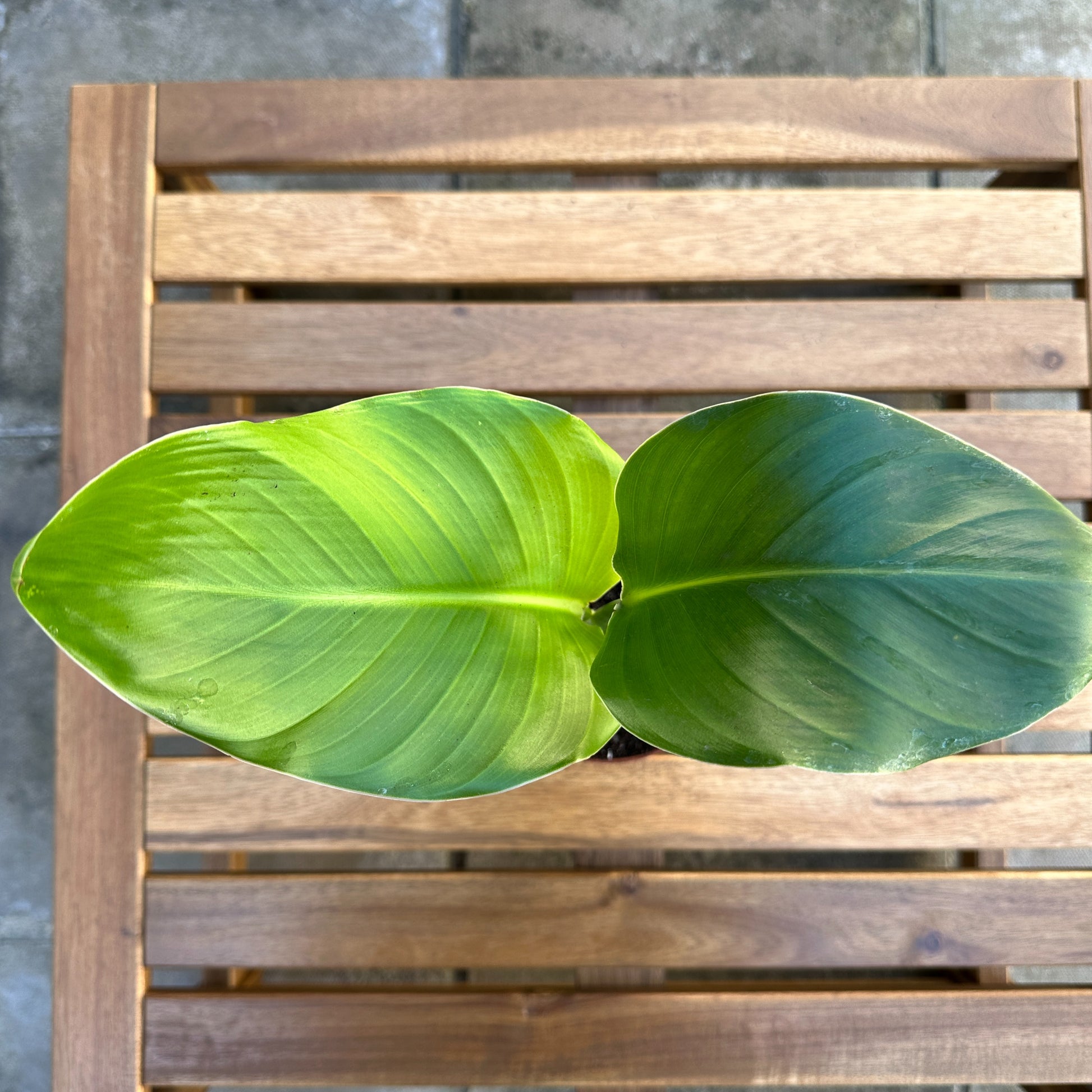
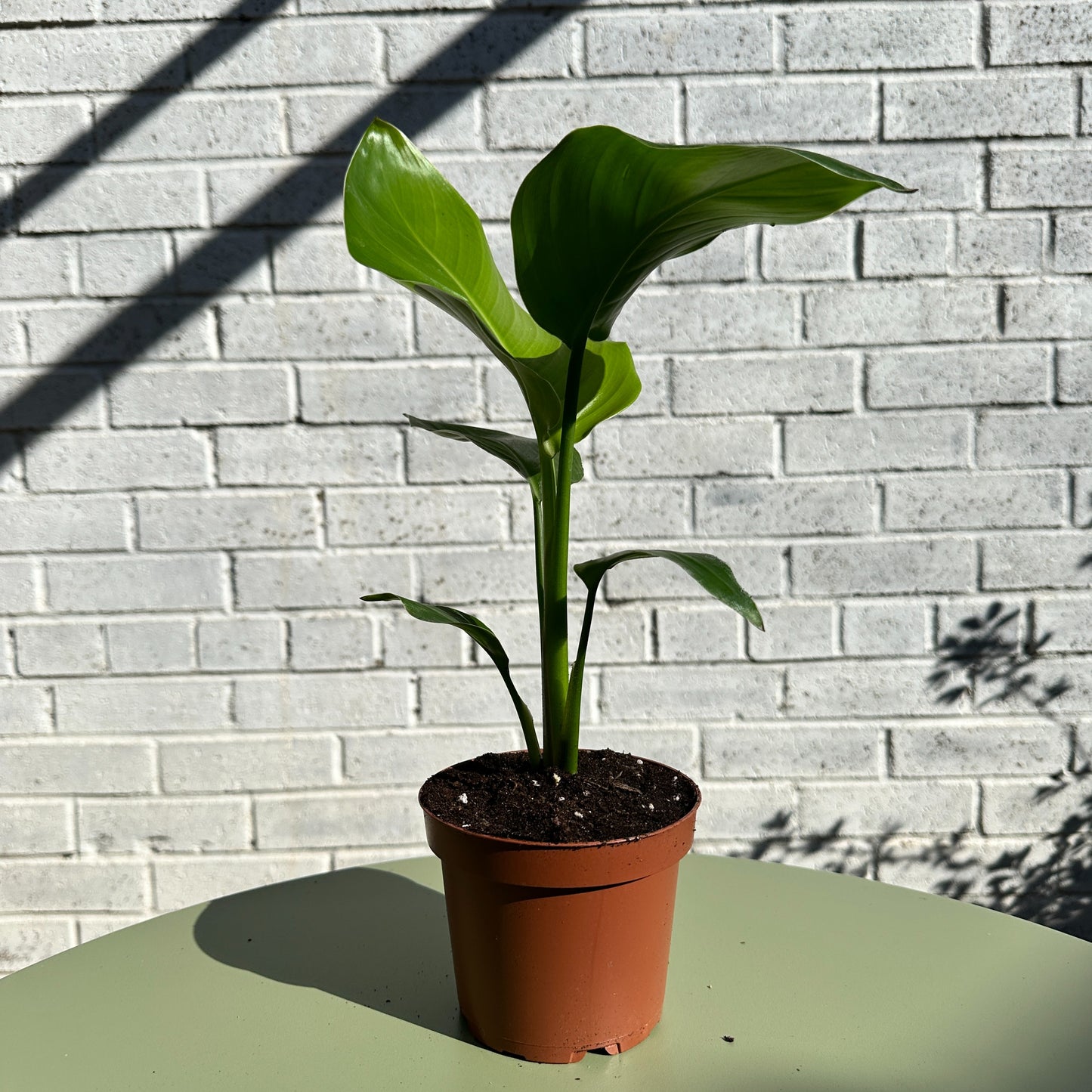
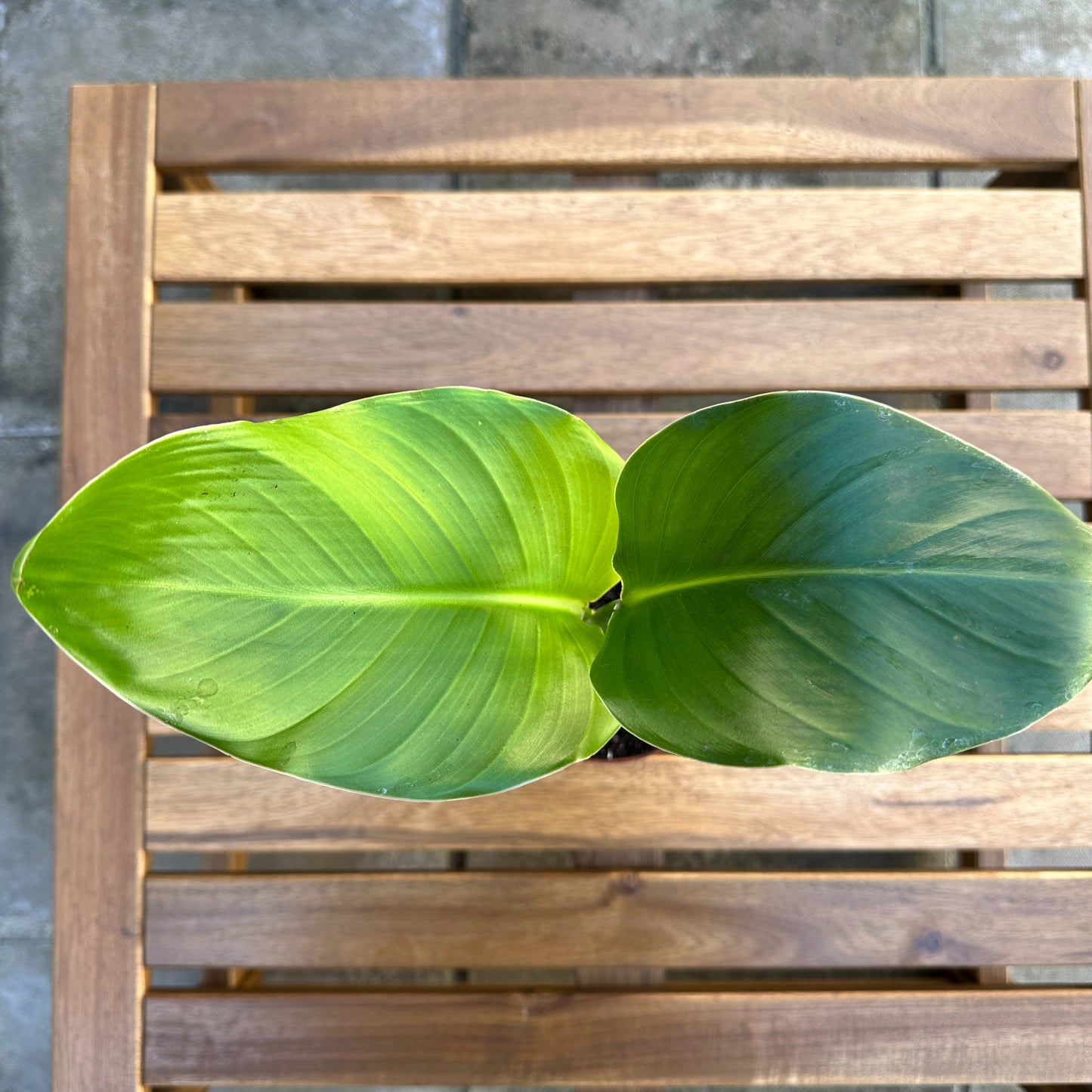
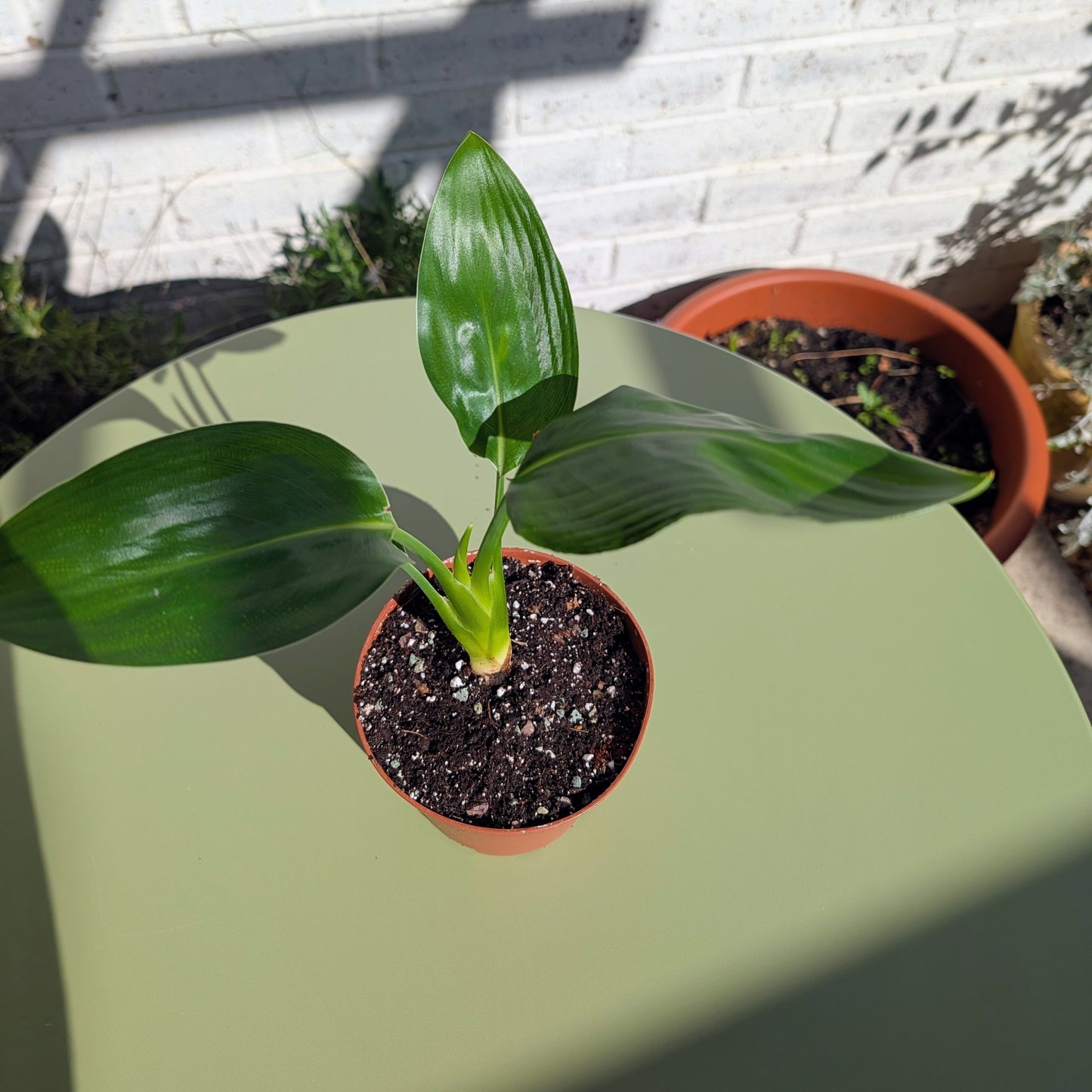
Giant White Bird of Paradise
Strelitzia Nicolai Tropical Statement Plant
Couldn't load pickup availability
f you are looking for a plant to completely take over a corner of your flat and make it feel like a tropical greenhouse, this is the one.
The Bird of Paradise is famous for its massive, paddle-shaped leaves that bring serious architectural drama to any room. In the wild, they produce incredible bird-like flowers, and while they rarely bloom indoors in Scotland, the spectacular oversized foliage more than makes up for it. It is a fast, satisfying grower that will quickly turn your living room into an indoor jungle.
How to keep it happy:
-
Light: This plant is a total sun worshipper. It needs the brightest spot you can give it. A sunny south-facing or west-facing window is ideal. Unlike delicate ferns, this tough tropical can handle a good amount of direct sunlight.
-
Water: It is a big plant with a big thirst during the summer, but it hates sitting in soggy soil. Give it a thorough soak, then let the top half of the soil dry out completely before you water it again. Reduce your watering significantly during the dark winter months.
-
Feed: Because it pushes out such massive leaves, it is a very hungry grower. Feed it with a balanced liquid fertiliser once a month during the spring and summer to fuel that explosive growth.
Troubleshooting:
-
Splitting leaves? Do not panic! This is a completely natural feature of the Bird of Paradise. In the wild, the leaves split to let high winds pass through without snapping the stem. It is supposed to look a bit rugged and wild, so embrace the splits.
-
Curling leaves? If the leaves are curling inwards, the plant is trying to conserve moisture. It usually means it is absolutely parched and begging for a heavy drink.
Pet Safety: Not Pet Safe. The leaves and stems are toxic to animals if ingested. Keep this dramatic beauty well out of reach of any curious cats or dogs.
Share

Care Guides
View all-
A Guide to Calathea Tropicstar Care: The Fuzzy-...
Let's be real. If you do not say "oooh!" when you touch the leaves on this one, we cannot be friends. The Calathea Tropicstar (which is technically a Ctenanthe, but...
A Guide to Calathea Tropicstar Care: The Fuzzy-...
Let's be real. If you do not say "oooh!" when you touch the leaves on this one, we cannot be friends. The Calathea Tropicstar (which is technically a Ctenanthe, but...
-
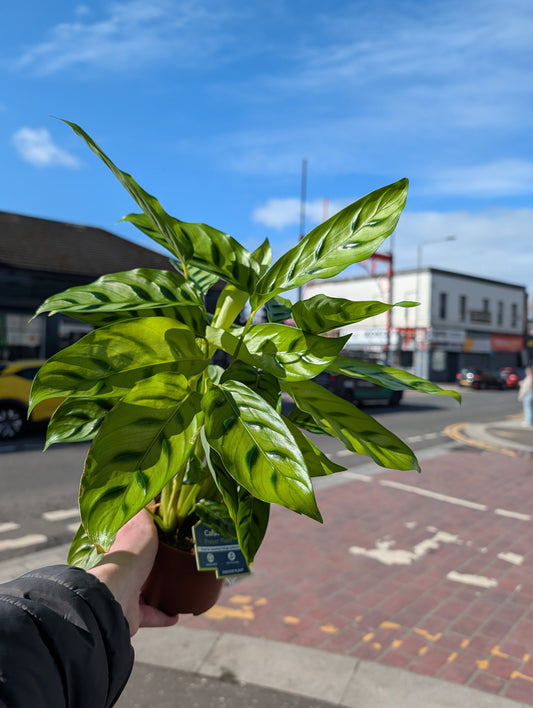
Calathea Leopardina Care: The Animal Print Icon...
Let's be real. If you love a fierce animal print but draw the line at leopard-print wallpaper in your flat, the Calathea Leopardina is exactly what your space needs. This...
Calathea Leopardina Care: The Animal Print Icon...
Let's be real. If you love a fierce animal print but draw the line at leopard-print wallpaper in your flat, the Calathea Leopardina is exactly what your space needs. This...
-
Neem Oil: The Plant Parent’s Best Friend (And H...
If you have houseplants, you will eventually meet their uninvited guests: pests. Whether it's spider mites, fungus gnats, or mealybugs, Neem Oil is one of the best natural weapons in...
Neem Oil: The Plant Parent’s Best Friend (And H...
If you have houseplants, you will eventually meet their uninvited guests: pests. Whether it's spider mites, fungus gnats, or mealybugs, Neem Oil is one of the best natural weapons in...