
Philodendron Ring of Fire
The Fiery Serrated Climber
Couldn't load pickup availability
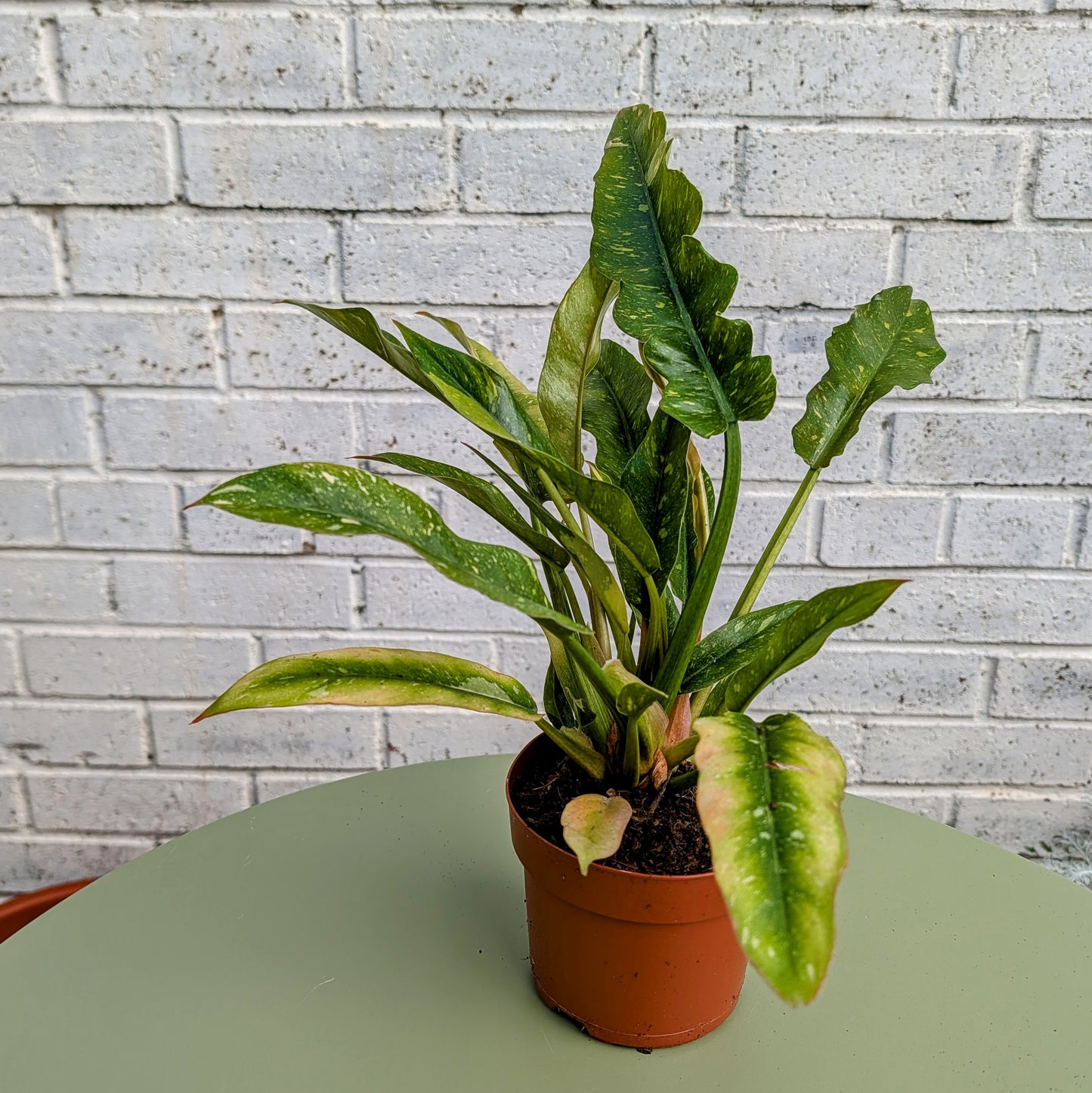
Well, that's the Johnny Cash song stuck in my head for the rest of the day after writing this. The Philodendron Ring of Fire is an absolute show-off. It looks like someone took a pair of jagged craft scissors to a regular plant, and the results are stunning. The long, deeply serrated leaves emerge in fiery shades of sunset orange, brick red, and pale pink before slowly hardening off to a mottled, speckled green and yellow.
Because it’s a Philodendron, it is surprisingly easy-going despite looking like a high-maintenance diva. It will eventually want to climb, so giving it a moss pole or support will encourage those leaves to get massive.
How to keep it happy:
-
Light: This is the secret to the fire. It needs bright, indirect light to push out those crazy orange and red colours. If you stick it in a dark corner, it will survive, but the new leaves will just be a boring, solid green.
-
Water: Let the top half of the soil dry out completely before you water it again. It likes a good drink, but it absolutely hates sitting in a soggy pot.
-
Feed: A weak dose of liquid fertiliser once a month during the spring and summer will keep the colours punching.
Troubleshooting:
-
Losing its colour? If the new leaves are coming out plain green and the variegation is fading, it is begging for more sunlight. Move it closer to a window (just keep it out of the harsh midday sun).
-
Crispy brown edges? This usually means the air in your flat is too dry, or you are letting the soil turn to literal dust between waterings. Group it with other plants to raise the humidity, or give it a mist.
Pet Safety: Not Pet Safe. Like all Philodendrons, the leaves contain calcium oxalate crystals which are toxic to cats and dogs. Keep this beauty out of reach of curious teeth.
Share

Care Guides
View all-
A Guide to Calathea Tropicstar Care: The Fuzzy-...
Let's be real. If you do not say "oooh!" when you touch the leaves on this one, we cannot be friends. The Calathea Tropicstar (which is technically a Ctenanthe, but...
A Guide to Calathea Tropicstar Care: The Fuzzy-...
Let's be real. If you do not say "oooh!" when you touch the leaves on this one, we cannot be friends. The Calathea Tropicstar (which is technically a Ctenanthe, but...
-
Calathea Leopardina Care: The Animal Print Icon...
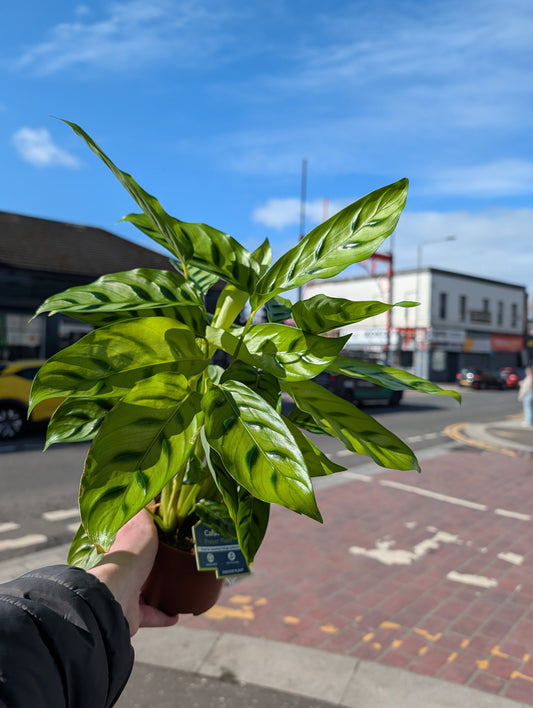
Let's be real. If you love a fierce animal print but draw the line at leopard-print wallpaper in your flat, the Calathea Leopardina is exactly what your space needs. This...
Calathea Leopardina Care: The Animal Print Icon...
Let's be real. If you love a fierce animal print but draw the line at leopard-print wallpaper in your flat, the Calathea Leopardina is exactly what your space needs. This...
-
Neem Oil: The Plant Parent’s Best Friend (And H...
If you have houseplants, you will eventually meet their uninvited guests: pests. Whether it's spider mites, fungus gnats, or mealybugs, Neem Oil is one of the best natural weapons in...
Neem Oil: The Plant Parent’s Best Friend (And H...
If you have houseplants, you will eventually meet their uninvited guests: pests. Whether it's spider mites, fungus gnats, or mealybugs, Neem Oil is one of the best natural weapons in...